How to Build a Strong Chinese Foundation Before Primary 1: Tips for Preschool Parents
April 11, 2026
Starting Primary 1 with confidence in Chinese is easier when children have a strong preschool foundation. For parents in Singapore, enrolling your child in the right preschool Chinese tuition can make all the difference. Here’s how Hua Cheng supports K1 and K2 learners to build a strong foundation in Chinese.
Early Exposure: Preschool Chinese Tuition and Enrichment Classes
Language skills develop best with consistent early exposure. Preschool Chinese tuition and Chinese enrichment classes offer structured lessons in reading, writing, listening and speaking Chinese. Hua Cheng’s programs are designed specifically for young learners, helping them build confidence while enjoying the process of learning.
1. Make Chinese Part of Daily Life
Immersing children in Chinese naturally helps them build familiarity and confidence.
Daily Conversations: Use simple Chinese phrases at home, e.g., “你吃饭了吗?” or “快洗手。”
Label Objects: Stick labels on household items (桌子, 椅子, 冰箱) so your child sees the words often.
Storytime in Chinese: Read short storybooks or picture books in Chinese every day. Let them repeat words and phrases.
Example: During snack time, you can say, “这是苹果” while handing them an apple, reinforcing vocabulary in context.
2. Sing, Rhyme, and Recite
Songs, rhymes, and poems make language learning fun and memorable.
Nursery Rhymes & Children’s Songs: They introduce pronunciation, tone, and rhythm naturally.
Simple Poems: Short Tang poems or modern rhymes help with character recognition and sentence patterns.
Finger Plays & Action Songs: Encourage movement while singing, which helps memory.
Example: Sing “两只老虎” while pointing to toy tigers, then ask your child to sing along.
3. Play with Characters and Words
Learning through games strengthens recognition and association.
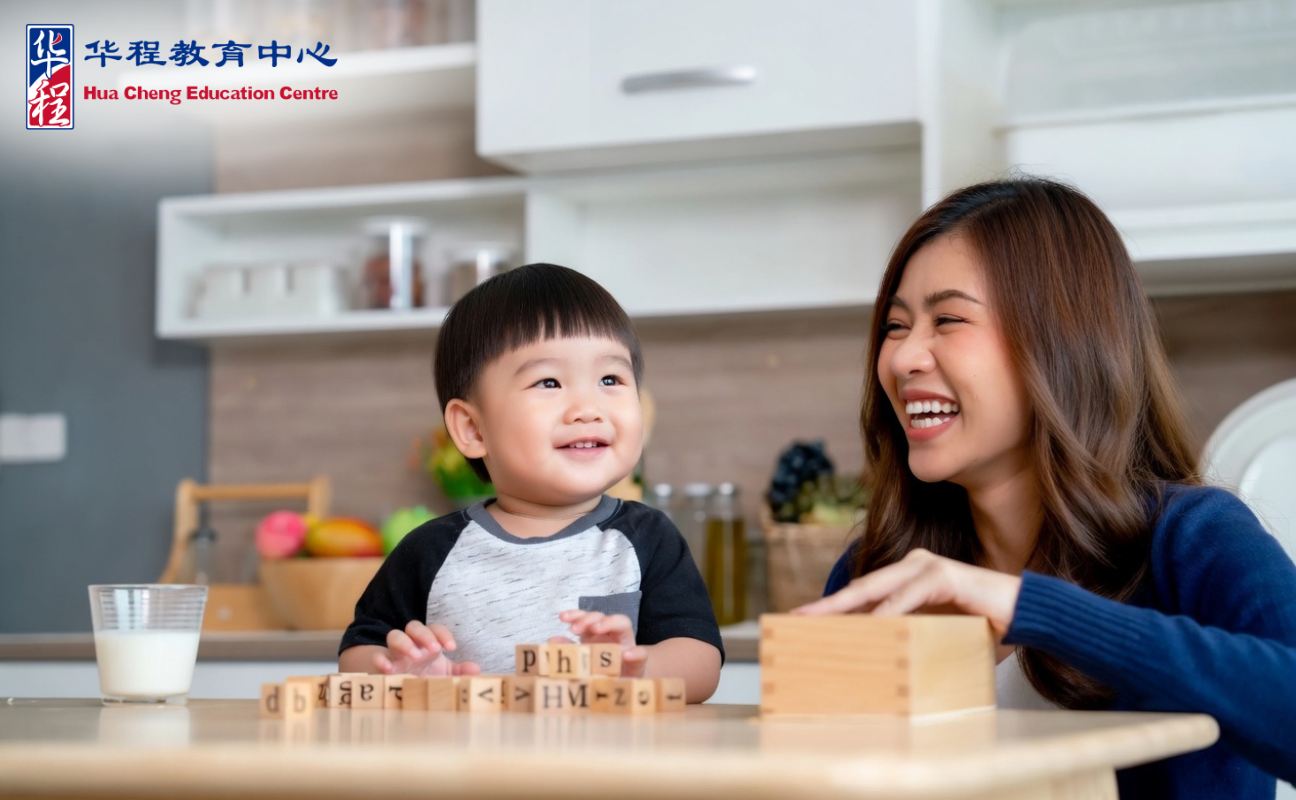
Flashcards: Use cards with characters and pictures. Play matching or memory games.
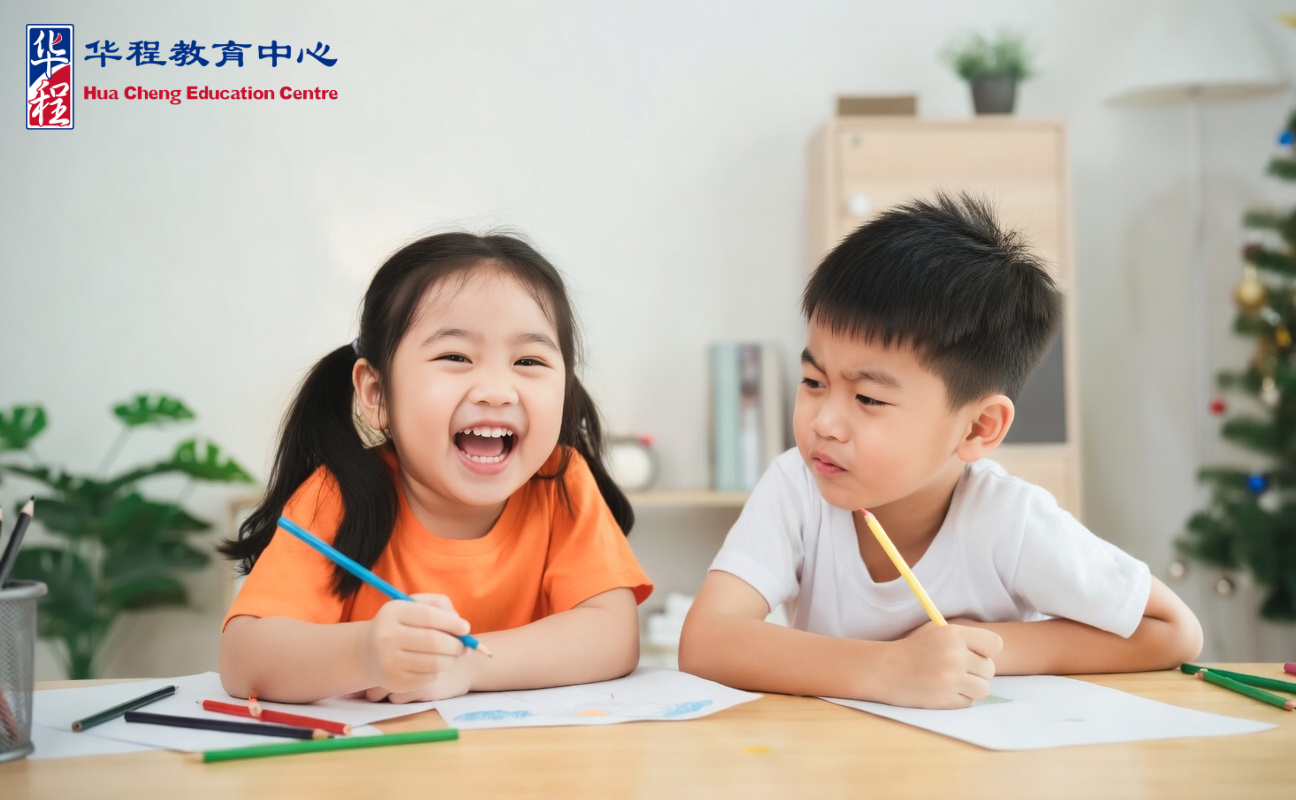
Drawing & Writing: Encourage children to draw pictures and write corresponding Chinese characters.
Sorting & Categorizing: Group objects or cards by colour, number, or category, introducing vocabulary naturally.
Example: While sorting toys, say “把红色的积木放在这里,” so your child associates colours and objects with words.
4. Encourage Reading and Storytelling
Even before full literacy, children can learn by seeing, listening, and retelling.
Picture Books: Let them describe what they see using simple sentences.
Storytelling: Ask them to make up a short story about a picture.
Audio Books & Apps: Listening to Chinese stories repeatedly improves comprehension.
Example: After reading a story about a cat, ask, “猫在做什么?” prompting your child to answer in simple sentences.
5. Create a Positive and Fun Environment
Motivation and confidence are key. Avoid pressuring too much at this age.
Encourage: Praise attempts at speaking or writing, even if incorrect.
Inspire: Make learning part of enjoyable routines, like cooking or shopping.
Motivate: Use reward systems or stickers for encouragement.
Example: When your child tries to say “香蕉,” clap and cheer, reinforcing confidence and interest.
How Hua Cheng Supports Preschoolers
For parents looking for a more structured approach, Hua Cheng’s K1–K2 programmes provide a gentle progression from everyday exposure to formal skills. Our courses are designed to make learning enjoyable while building strong foundations:
小书绘本 (Storybooks): Our own series of storybooks, based on foundation keywords, helps children read and recognize characters naturally.
儿歌 (Nursery Songs & Poems): Singing and reciting Chinese content builds language fluency in a fun way.
字卡游戏 (Vocabulary Card Games): Engaging games reinforce new words and encourage memory retention.
基础笔画 (Basic Strokes) & 汉字演示 (Character Videos): Step-by-step writing guidance helps children learn stroke order and structure.
汉语拼音 (Hanyu Pinyin for K2): Prepares children for reading and pronunciation in Primary 1.
By combining these methods with everyday language exposure at home, children develop confidence, curiosity, and a love for Chinese before entering primary school.
Start Early and Make It Enjoyable
The best way to prepare for Primary 1 is consistent, playful exposure. Begin with small, daily interactions in Chinese, then gradually integrate structured learning through enrichment programmes like Hua Cheng.
Want to learn more about our fun-filled yet impactful Preschool programmes? Our friendly customer relationship team is happy to answer new enrollment enquiries and help your child take the essential step toward a strong Chinese foundation.